Uncategorized
Red vs Blue Chow Chow Puppy
Jun
Red vs Blue Chow Chow Puppy: Understanding the Differences, Appearance, Personality, and Choosing the Right Companion
The Chow Chow is one of the world’s oldest and most recognizable dog breeds, admired for its lion-like mane, dignified personality, and distinctive blue-black tongue. Among the many coat colors recognized in the breed, red and blue Chow Chow puppies are two of the most sought-after choices. While both belong to the same breed and share many characteristics, they differ significantly in appearance, coat genetics, popularity, grooming needs, and even buyer preference.
If you’re searching for a Chow Chow puppy and wondering whether a red or blue Chow Chow is the better choice, this comprehensive guide explains everything you need to know before making your decision.
What Is a Red Chow Chow Puppy?
A red Chow Chow puppy is the most traditional and recognizable color within the breed. The shade can vary from a rich mahogany red to a lighter cinnamon-red or deep golden hue. As puppies mature, their coat may lighten or darken slightly depending on genetics and seasonal coat changes.
Red Chow Chows have been admired for generations because their warm coloring beautifully complements their thick lion-like mane and fluffy double coat.
Characteristics of Red Chow Chow Puppies
- Bright and vibrant appearance
- Thick double coat
- Highly recognizable breed color
- Popular among breeders and families
- Often easier to find than rarer coat colors
Many people associate the classic Chow Chow look with the rich red coat seen in dog shows, advertisements, and historical photographs.
What Is a Blue Chow Chow Puppy?
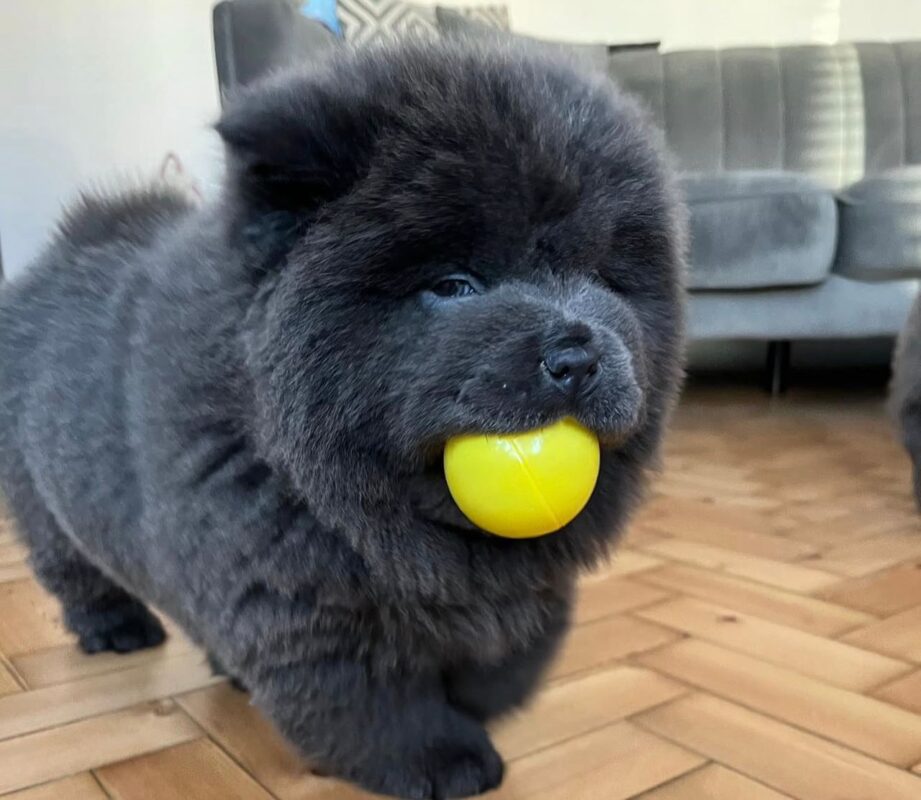
A blue Chow Chow puppy does not actually have a bright blue coat. Instead, the term “blue” refers to a diluted black pigmentation that produces a beautiful smoky gray appearance. Depending on lighting, the coat may appear silver-gray, slate gray, steel blue, or charcoal.
Blue Chow Chows are considered one of the rarer coat colors, making them especially attractive to buyers looking for something unique.
Characteristics of Blue Chow Chow Puppies
- Rare smoky gray coloring
- Black nose with diluted pigmentation
- Elegant and distinctive appearance
- Eye color usually remains dark brown
- Often appears darker after grooming
Their unusual coat color gives them a sophisticated appearance that stands out from the more common red variety.
Coat Color Genetics
The difference between red and blue Chow Chow puppies comes down entirely to genetics.
The red coat is produced through dominant pigmentation genes, while the blue coat results from a recessive dilution gene that modifies black pigment into a bluish-gray shade.
Responsible breeders carefully study bloodlines to predict coat colors while prioritizing health, temperament, and breed standards over appearance alone.
Because the blue color requires specific genetic combinations, blue puppies generally occur less frequently than red puppies.
Appearance Comparison
Red Chow Chow
- Warm golden to dark mahogany coat
- Rich lion-like appearance
- High visual contrast around the face
- More traditional breed look
Blue Chow Chow
- Gray or steel-colored coat
- Unique and elegant appearance
- Softer facial expression
- Less common and more eye-catching
Although their coat colors differ, both puppies have:
- Small triangular ears
- Curly tail carried over the back
- Blue-black tongue
- Broad skull
- Deep chest
- Thick double coat
Personality Differences
One of the biggest misconceptions is that coat color affects personality.
In reality, coat color does not determine temperament.
Both red and blue Chow Chow puppies are known for being:
- Loyal
- Intelligent
- Independent
- Calm
- Protective
- Reserved around strangers
- Devoted to their families
Personality is influenced far more by:
- Genetics
- Early socialization
- Training
- Environment
- Responsible breeding practices
Whether you choose red or blue, a well-raised Chow Chow can become a loving lifelong companion.
Grooming Requirements
Both coat colors require similar grooming routines because they share the same thick double coat.
Recommended grooming includes:
- Brushing three to four times weekly
- Daily brushing during seasonal shedding
- Regular ear cleaning
- Nail trimming
- Teeth brushing
- Occasional bathing with dog-friendly shampoo
Blue Chow Chows may show dust, loose hair, and dandruff more visibly due to their darker gray coats, while dirt may blend slightly better into darker shades than on lighter reds.
Regular grooming helps prevent matting and keeps the coat healthy and comfortable.
Exercise Needs
Neither red nor blue Chow Chows are extremely active dogs.
Most adults enjoy:
- Two moderate walks daily
- Backyard play
- Interactive toys
- Mental stimulation
- Basic obedience exercises
Avoid excessive exercise during hot weather because the breed’s dense coat can contribute to overheating.
Health Considerations
Coat color itself does not determine health.
Responsible breeders screen breeding dogs for common Chow Chow health concerns, including:
- Hip dysplasia
- Elbow dysplasia
- Eye disorders
- Thyroid disease
- Patellar luxation
When purchasing a puppy, ask for health testing records, vaccination history, deworming information, and a veterinary examination report.
Choosing a reputable breeder is far more important than selecting a specific coat color.
Which Color Is More Popular?
The red Chow Chow remains the most popular color worldwide due to its classic appearance and wider availability.
Blue Chow Chows are less common and often attract buyers seeking something distinctive.
Popularity trends generally look like this:
- Red
- Black
- Cream
- Blue
- Cinnamon
Availability varies depending on breeder bloodlines and breeding programs.
Are Blue Chow Chow Puppies More Expensive?
In many cases, yes.
Because blue Chow Chows are less common, they may command a higher purchase price than red puppies.
However, pricing also depends on:
- Bloodline quality
- Health testing
- Registration papers
- Breeder reputation
- Training and socialization
- Geographic location
A higher price should reflect responsible breeding practices rather than rarity alone.
Which Color Should You Choose?
Choose a Red Chow Chow if you want:
- The traditional Chow Chow appearance
- Greater availability
- A timeless, classic look
- Easier selection from multiple litters
Choose a Blue Chow Chow if you prefer:
- A rare coat color
- A unique appearance
- An elegant gray coat
- Something less commonly seen
Since personality and health are not determined by coat color, your decision should primarily come down to personal preference and the quality of the breeder.
Tips for Choosing a Healthy Chow Chow Puppy
Before bringing home your puppy:
- Meet the puppy if possible.
- Observe its behavior and energy level.
- Request health certificates for the parents.
- Verify vaccinations and deworming records.
- Ensure the puppy has been properly socialized.
- Ask about feeding schedules and grooming routines.
- Review any health guarantee or purchase contract.
A responsible breeder will gladly answer your questions and provide documentation.
Final Thoughts
Both red and blue Chow Chow puppies are exceptional companions with the same loyal, independent, and affectionate nature that has made the breed beloved for centuries. While the red Chow Chow represents the traditional and iconic appearance of the breed, the blue Chow Chow offers a rare and striking alternative with its smoky gray coat.
Ultimately, the best choice is not about color but about selecting a healthy, well-socialized puppy from a responsible breeder. With proper care, training, nutrition, and regular veterinary visits, either a red or blue Chow Chow can become a devoted family member for many years.
Frequently Asked Questions
Are blue Chow Chow puppies actually blue?
No. Their coat is a diluted gray or steel color rather than a bright blue.
Is a red Chow Chow better than a blue Chow Chow?
Neither is better. Both share the same breed characteristics, and the choice comes down to personal preference.
Do red and blue Chow Chows have different personalities?
No. Temperament depends on genetics, training, and socialization rather than coat color.
Which color is rarer?
Blue Chow Chow puppies are generally rarer than red puppies.
Are blue Chow Chows more expensive?
They can be, mainly because they are less common, but price should also reflect health testing, pedigree, and breeder quality.
Do both colors shed equally?
Yes. Both have the same dense double coat and experience seasonal shedding.
Which color is easier to groom?
Both require similar grooming routines. Blue coats may show loose hair more noticeably, while lighter red coats can reveal stains more easily.
Can the coat color change as the puppy grows?
Yes. Both red and blue puppies may experience slight changes in coat shade as they mature and develop their adult coat.
How long do Chow Chows live?
With proper care, most Chow Chows live between 9 and 15 years.
Is coat color important when choosing a puppy?
Appearance is a personal preference, but health, temperament, ethical breeding, and early socialization should always take priority over coat color.
